Holy Animals Sacred Plants: Responses to Other Lives brings together ten artists whose work explores relationships with animals, plants, dreams, ceremony and forms of awareness beyond the human. Developed over fifteen months under the mentorship of artist and teacher Kate Walters, the exhibition invites visitors to consider how listening, attention and reciprocity might deepen our connection with the more-than-human world. Through painting, drawing, textiles, film, mixed media and text, the exhibition offers a space for reflection on the lives that surround and sustain us.
Here, Kate Walters discusses the ideas behind the exhibition, her lifelong relationship with animals and plants, and the collaborative process that shaped this unique exhibition at Tremenheere Sculpture Gardens.
Kate, what does the title ‘Holy Animals Sacred Plants: Responses to Other Lives’ mean to you in the context of the exhibition?
Since I was a child, I’ve always had close relationships with animals and plants. I grew up in a large garden with fine yews and pines, walnut and apple trees, wild areas, and a number of domesticated rabbits, cats and dogs.
My first word was ‘horse’, my mother always said. I learned to ride young and used to secretly ride ponies bareback. I began saving up for my first horse when I was ten years old. It took me three years. In my teens, I had a very special horse and she taught me many things. I saw a lot through her eyes.
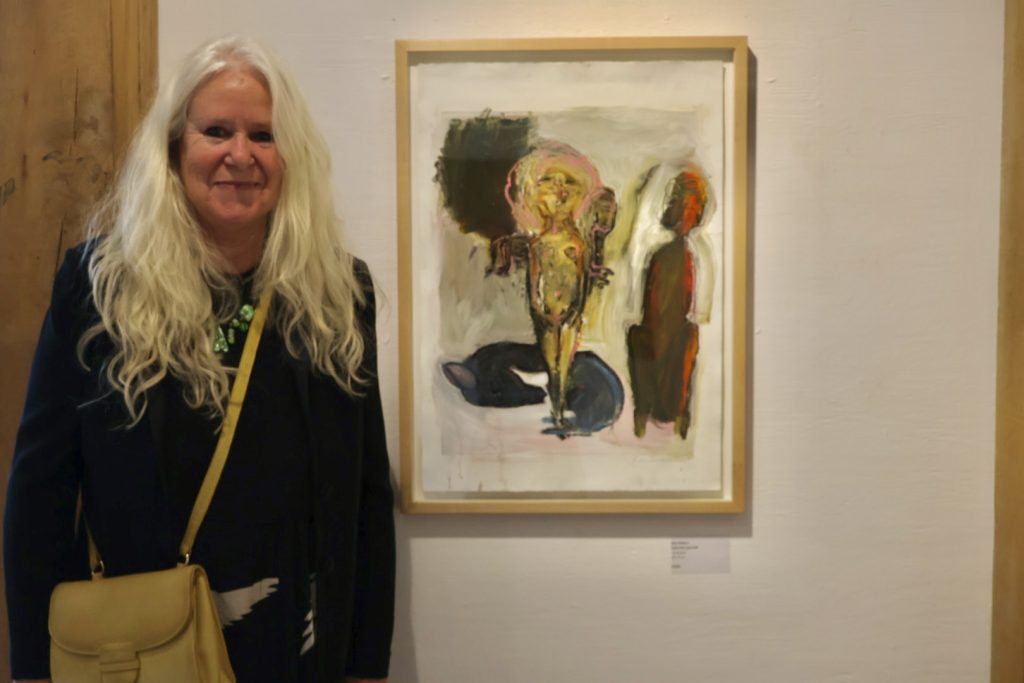
Much later, in my forties, when training in classical shamanism, my teacher said that sometimes highly evolved beings sometimes incarnate in animal bodies. I had always sensed this, due to my experiences, but I’d never articulated my sensing. It was reassuring to hear my teacher say this. The title, therefore, reflects this sense of animals having a natural holiness to them. And plants: they are the sacred example of relationship, beauty, survival, stillness, adaptability, and exchange.
This exhibition seems to explore ways of listening to other forms of life and awareness. What drew you towards these ideas?
My experiences throughout my life with caring for, nurturing animals and plants have required me to listen, to observe, to respond gently, to notice the small things, to pay attention. As artists, when we draw, write or paint, we are paying attention to our subject/theme and also to the process, to the gap between the pregnant moment or pause, the electricity in the synapses or connecting threads which are formed through the process of close and gentle receiving attention. Part of my teaching involves showing students how to receive, not to pursue or extract, but to ‘be with’, to receive in gratitude.
The exhibition mentions working in ceremonial ways and responding to dreams, plants, and animals. What does that process look like in practice?
I was taught in my classical shamanic training (2000 – 2006) how to create a safe space and how to work ceremonially. In practice, this means I cleanse the space with plant smoke, I drum to call in beneficent helpers and spirits; I pray for protection and guidance for me and all present and the wider circle – Sacred Hoop – of the peoples and all our relations (all beings). I give thanks. I prepare an altar with flowers, candles and sacred objects. I notice and give thanks for certain birds and insects which might appear, for example, the raven, buzzard, hummingbird hawk-moth, hornet, or bee. For over thirty years, I have recorded my dreams, and I’ve learned to see their significance for my work and my life. Receiving instructions in dream form is the purest way to be given spiritual guidance. I often dream of bees, buzzing, birds, snakes, tortoises, golden altars, and golden coins. Feasts, initiations, holy weddings, and other sacred encounters all come into my dreams. I encourage my students to keep records of their dreams so they can begin to see the guidance and beauty their dreams offer.
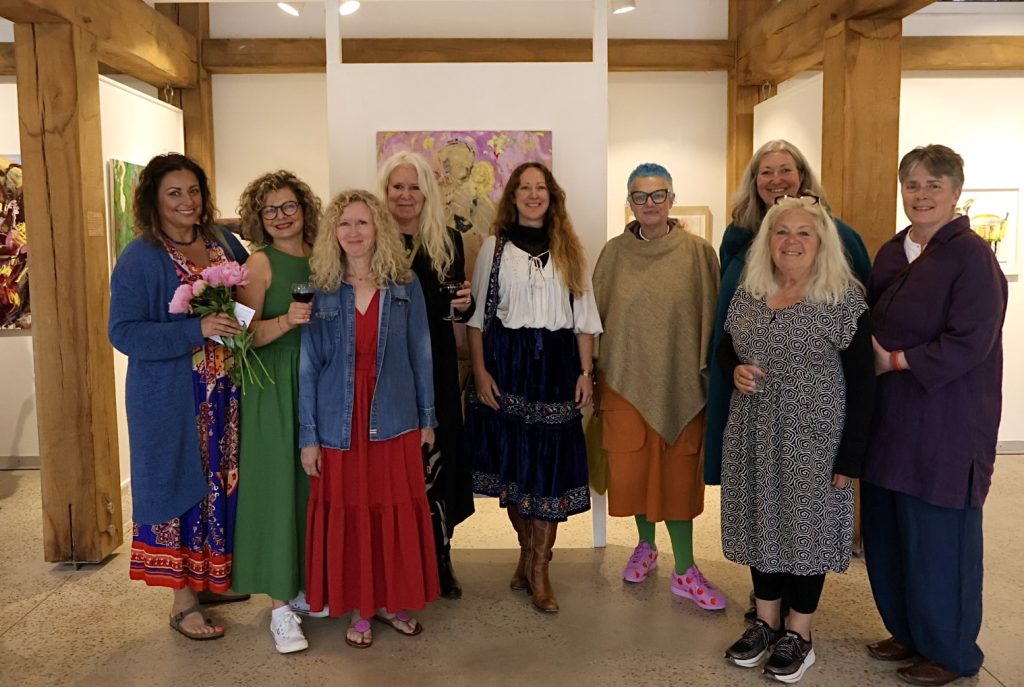
Our group has been working together for 15 months. The idea for the group arose some time before then, when I was becoming increasingly aware of the ecological crisis and its urgency. I felt it was important to raise awareness around the importance animals and plants have in all of our lives, especially as species are becoming extinct and the world is entering an extremely unstable phase. This work offers stability and a chance to pray deeply for those who need it. The shamanic training offers ways for people to be in community and we have followed its guidance. We listen carefully to each other and to the voices of our work. We have practiced walking as one animal – one being – by walking in a particular way together in nature. We sat in circles and listened to each other.
We have learned techniques for listening to our inner monologues and noticing when emotions are rising, and how we could be with our feelings if we felt troubled or stirred. The group has had a few members leave and others join, so there has been some fluidity. It felt important to me that we could be flexible, with a soft shell, and welcome others in, always with the aim of raising each other up.
How does showing this work at Tremenheere Sculpture Gardens shape the exhibition or the way audiences might experience it?
Being in close proximity to the nurturing, awe-inspiring natural environment of these gardens is very important to the sense of peace I feel when entering the exhibition. If visitors have visited the gardens first, I hope they can be prepared for the visions and experiences shared by the artists in the exhibition.
What do you hope visitors take away from the exhibition after spending time with the work?
I hope visitors might feel a sense of the way animals can carry, see, and protect us; regard animals and plants in all their beauty and uniqueness as being just as special as human species are; have an enlarged perception of what we can learn from working from slightly altered states of consciousness; and perhaps see the natural world as something we are part of, not separate from.
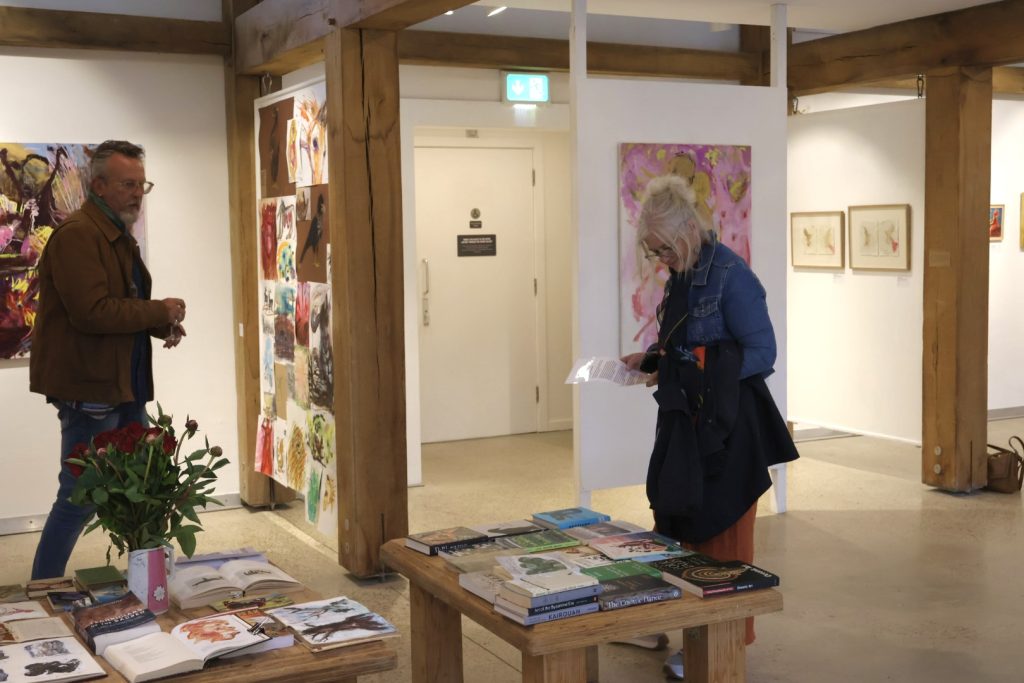
As Holy Animals Sacred Plants: Responses to Other Lives continues at Tremenheere Gallery until 25 July, visitors still have several opportunities to engage more deeply with the themes explored in the exhibition.
Alongside the artworks, the programme includes a panel discussion, Listening to Other Lives, on Saturday 11 July, where participating artists will come together to reflect on the exhibition’s ideas of attentiveness, interconnectedness and creative responses to the natural world. Reserve your spot here.
The programme also includes the Making Spirit Cloths and Making Spirit Dolls workshops with Sally Tripptree and Christine Linfield on Sunday 19 July. Together, these events extend the exhibition’s invitation to pause, listen and consider our relationship with animals, plants and the wider web of life.
The artists exhibiting alongside Kate are: Sally Tripptree, Mydd Pharo, Christine Linfield, Mandy Lancaster, Terese Tubman, Jacky Fox, Lucy Cooper, Danielle Beall-Kemp, Rachael Bice and Helena Sophia Allan.
Holy Animals Sacred Plants: Responses to Other Lives runs across both floors of Tremenheere Gallery and will be open Tuesday – Saturday, 11am – 4pm. Entry to Tremenheere Gallery is free with most works available to purchase.
Image credit: Tilly Hynds
