Serena Wadham: A Life in Photographs
As Serena Wadham’s exhibition at Tremenheere Sculpture Gardens comes to a close on Saturday 5 September, it feels fitting to look back at the remarkable journey her photographs reveal, from Cornwall, to London, and back again to Cornwall.
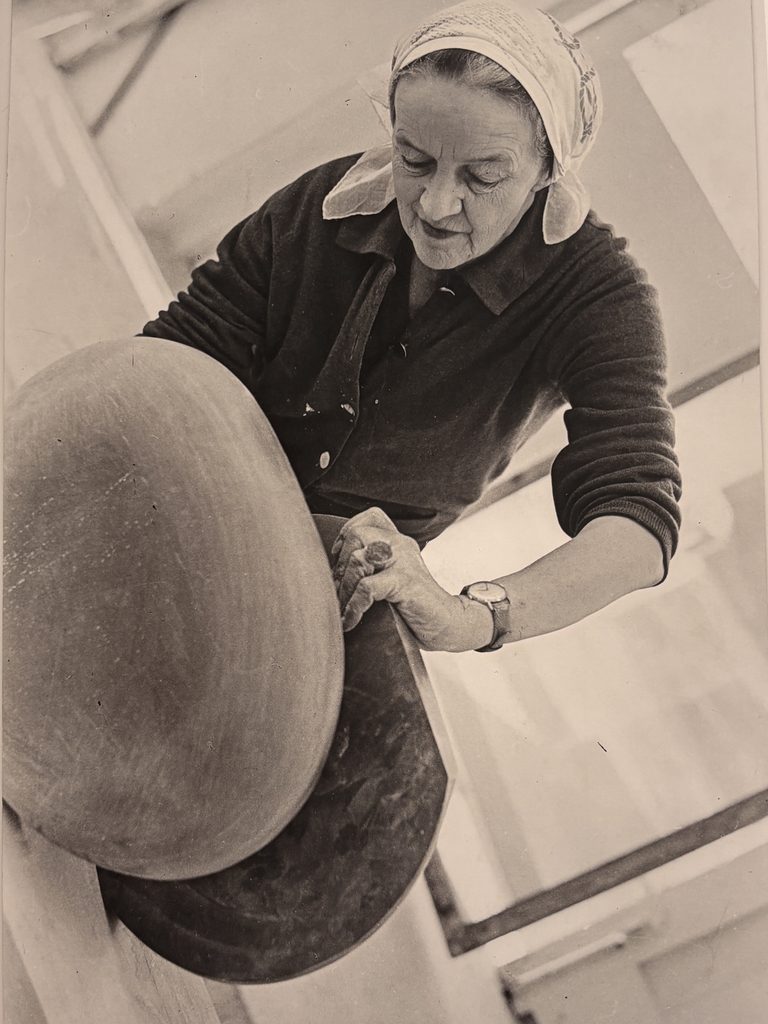
Serena Wadham (1930–2006) was a photojournalist, activist and trailblazer whose career spanned some of the most significant social changes of the twentieth century. Her photographs capture people and communities with an extraordinary sense of intimacy, curiosity and humanity, from artists and classical musicians to bus drivers, scientists, women at work and people whose lives were rarely given space in the public eye.
Cornwall: a spiritual home
Cornwall was an important part of Serena’s life, both at the beginning and towards the end of her career. After moving to Nancledra in the late 1950s, she continued to photograph the people and landscapes around her, building relationships with neighbours and farming families and documenting the everyday life of the community.
This sense of place is particularly powerful when viewing the exhibition as a whole. Cornwall feels like both its beginning and its end, a place Serena returned to, not simply geographically but as a constant presence throughout her life and work.
London: documenting a changing society
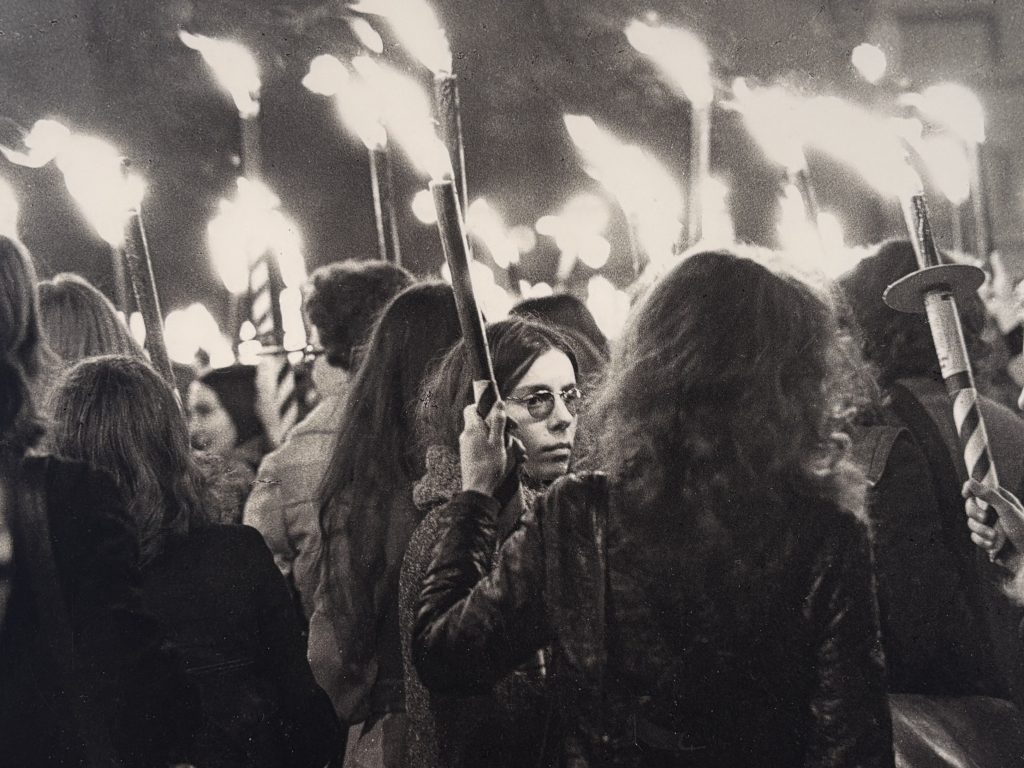
In between her years in Cornwall, Serena had a prolific career in London, working at a time of enormous social and political change. Her camera took her into the heart of anti-Vietnam War protests, feminist campaigns and working-class and immigrant communities in Islington.
Her work was not simply about recording events. Serena used photography to look closely at the people involved, bringing attention to lives and experiences that might otherwise have been overlooked. Her photographs of protest, feminism, immigration and social inequality continue to feel remarkably relevant today.
Alongside these social and political subjects, she photographed a wide range of people in their everyday lives. The result is a fascinating portrait of a changing society, seen through the eyes of a photographer who was both deeply engaged and unafraid to look beyond conventional subjects.
An extraordinary archive
The exhibition offers only a glimpse into Serena’s enormous body of work. Around 90,000 negatives, alongside notes, letters and other materials, remained largely undiscovered until recent years. The collection is held at The Morrab Library in Penzance, providing an extraordinary record of both Serena’s life and the people and places she encountered.
After retiring to Nancledra, Serena continued photographing the world around her. The landscapes, neighbours and farming communities of Cornwall once again became part of her work, creating a remarkable arc through her career: Cornwall, London, and Cornwall again.
Harry Waters: the power of a photograph
One of the most moving stories to emerge from Serena’s archive concerns a photograph of Harry Waters, a local man pictured with his dog.
Lesley Billingham, who has been working with Serena’s archive for several years, came across a poem called Harry Waters written by Serena. The paper was fragile and yellowing, but the story behind it was unknown. Over several years, Lesley began speaking to Serena’s former neighbours and local farming families in the Nancledra area, eventually discovering more about the man in the photograph.
Last year, Lesley visited Woonsmith Farm with Josie and Barbara to speak with Eileen Roberts, who had been a close neighbour and friend of Serena when she first moved to her cottage, Bohemia. When Lesley asked whether the family knew Harry Waters, a photograph was brought out and stories about him began to emerge.
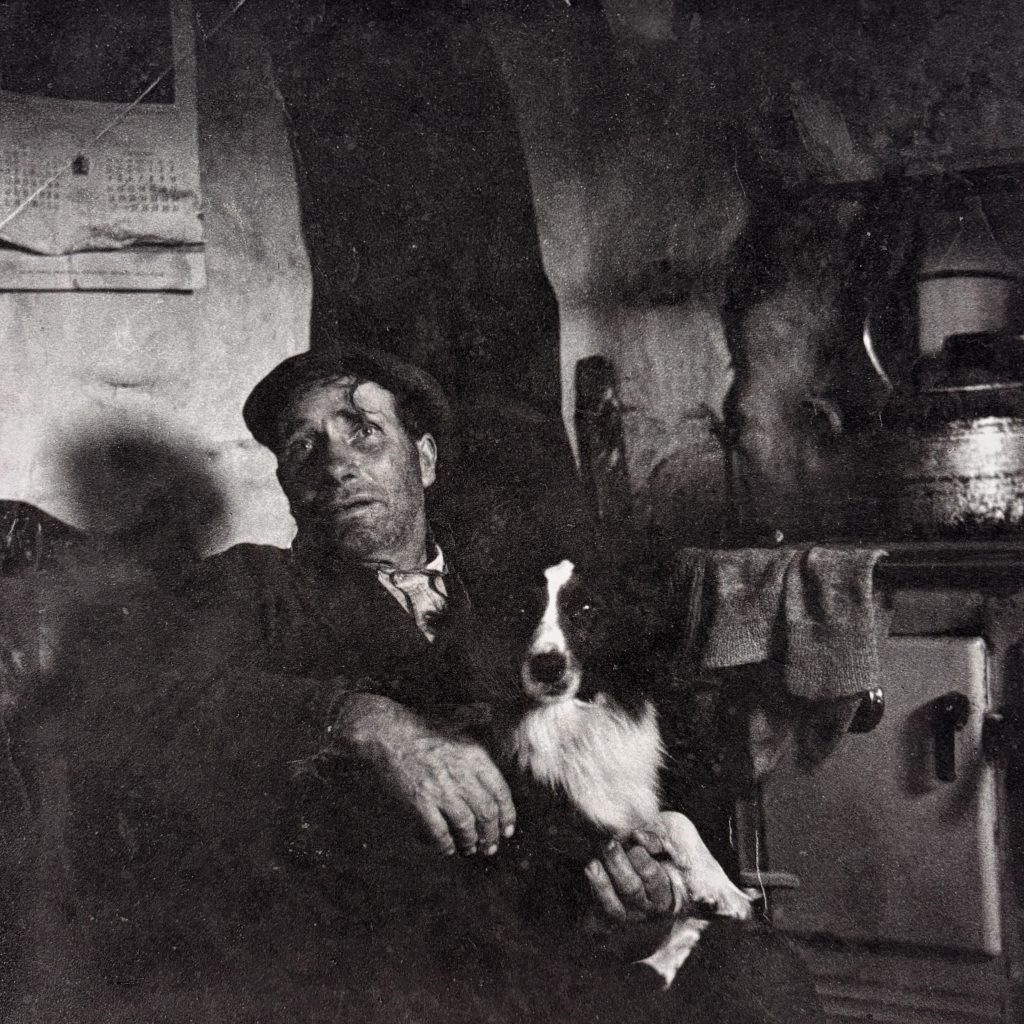
Harry had lived further up the track on Conquer Downs, beyond Woonsmith and Bohemia. He died soon after Serena took the photograph, and Serena subsequently wrote her extraordinary poem about him.
For Lesley, the portrait has become one of the most powerful images in the entire collection. As she describes it: “There lies the power of the photograph.”
It is a fitting reflection on Serena’s work. Her photographs do more than preserve a moment in time; they can open doors into lives, relationships and stories that might otherwise have disappeared. In Harry’s case, a single photograph became the starting point for rediscovering his story decades later.
A life brought together through photography
Seen together, Serena’s photographs form an extraordinary timeline. They begin in Cornwall, move into the social and political landscape of London, and eventually return to the Cornish community that remained such an important part of her life.
There is something particularly special about seeing these different chapters brought together at Tremenheere. The exhibition not only celebrates Serena as a photographer, but also gives us the opportunity to look again at a recent past through the people she chose to photograph, and to consider how many stories can remain hidden within an archive until someone takes the time to look.
Serena Wadham’s exhibition continues at Tremenheere Sculpture Gardens until TOMORROW Saturday 5 September. This is your final opportunity to see this remarkable collection of photographs and discover the work of a photographer whose eye for people, place and social change still resonates today.
Produced by Barbara Santi of awen productions, Lesley Billingham and Josie Goddard, in partnership with The Morrab Library.
Funded by The National Lottery Heritage Fund and The Myner Trust.
